``The best protection is prevention``
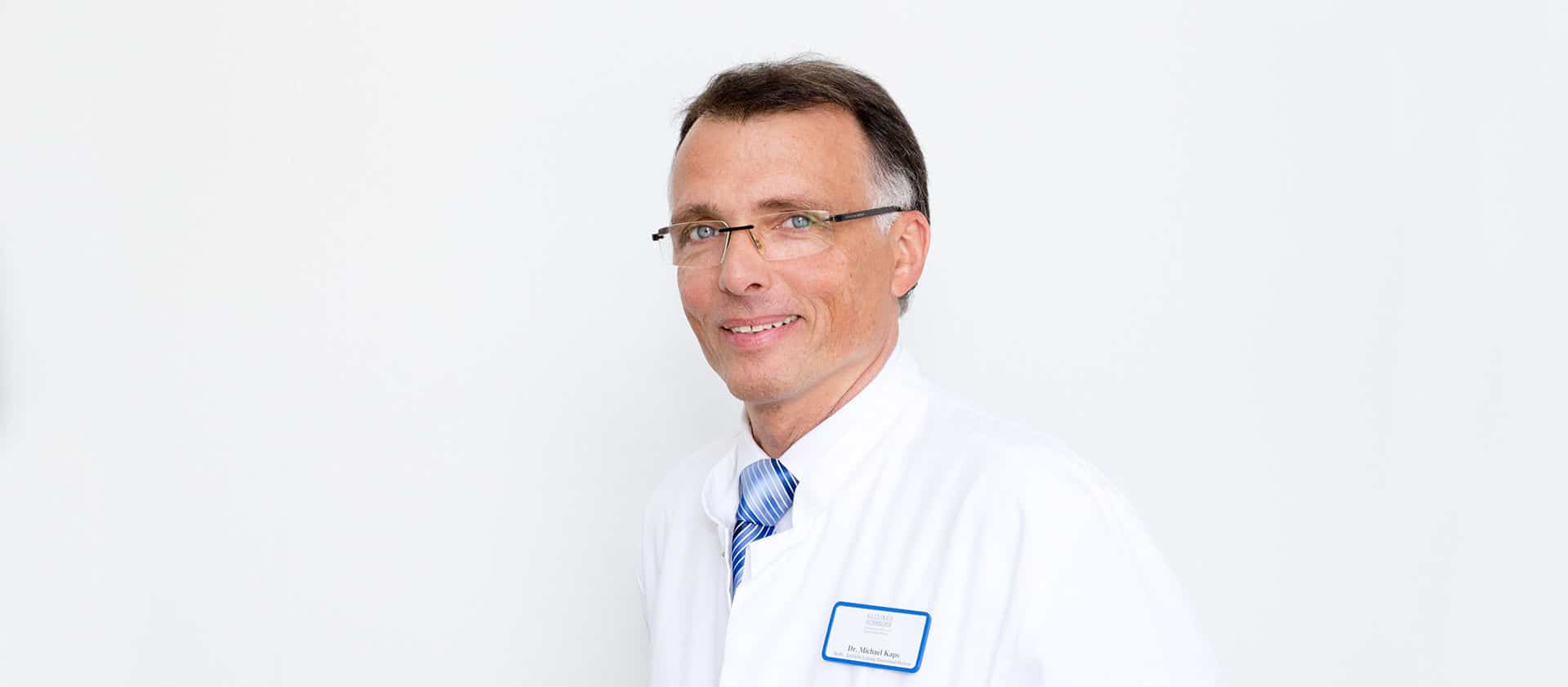
Interview with Dr. med. Michael Kaps
``The best protection is prevention``
Interview with Dr. med. Michael Kaps on why even mild concussions should not be taken lightly
As the name suggests, traumatic brain injuries (TBI) are injuries to the skull that also affect the brain. Dr. Michael Kaps, Deputy Head of the Neurorehabilitation Department in Allensbach, works with TBI patients every day and explains why even mild concussions should not be taken lightly, and how these injuries are treated.
What are the symptoms of a traumatic brain injury, and when should one go to the hospital?
Dr. Kaps: Many people do not know that even a mild concussion is a traumatic brain injury. After an injury — such as a fall from a bicycle — symptoms such as altered consciousness, memory disturbances or memory gaps may occur. If the altered or impaired state of consciousness lasts less than 15 minutes and the memory gap less than 24 hours, it is referred to as a mild traumatic brain injury. Headaches and neck pain may also occur, as well as temporary so-called autonomic symptoms such as dizziness, nausea, circulatory problems, excessive sweating or tremor. In addition, disturbances of smell and taste may arise, and depressive disorders, neuropsychiatric disturbances, increased irritability and sleep disorders may appear with a delay. In contrast, patients with severe TBI show marked impairment of consciousness up to and including coma, as well as paralysis of the limbs and cranial nerves.
In any case, a neurological examination in the acute setting is important to determine the degree of impairment, including for a possible later expert assessment. Without an examination at this stage, a person risks developing a brain haemorrhage or other serious complications in the future.
How can traumatic brain injury be prevented, and where can information be found?
Dr. Kaps: Leisure and domestic accidents account for the largest share of traumatic brain injuries at 60%. More than 20% result from road traffic accidents, and around 15% occur following workplace accidents. The best protection is, without doubt, prevention. Here, all road users and amateur athletes bear personal responsibility. By choosing the right protective gear — i.e. wearing a helmet when cycling — up to two-thirds of traumatic brain injuries can be avoided. Unfortunately, bicycle helmets are still used far too infrequently. In 2011, the helmet usage rate was still a meager 11%. Large databases show that severe traumatic brain injuries following a collision between a cyclist and a car occur predominantly in people not wearing a helmet. Alcohol is also a contributing factor in up to 45% of all traumatic brain injuries.
In line with demographic trends, falls in the home are playing an increasingly important role, particularly among elderly people, whose mortality rate is especially high. Appropriate diagnosis of gait disorders, their treatment, and preventive programs should be widely implemented to prevent domestic injuries in older people.
What can a TBI patient expect in the hospital?
Dr. Kaps: In most cases, inpatient monitoring is recommended, particularly in the presence of risk factors (e.g. persistent vomiting, alcohol or drug intoxication, penetrating injuries). The rationale is to detect any deterioration of consciousness as a sign of a higher degree of TBI, or the emergence of focal symptoms such as pupil dilation or hemiplegia, particularly due to increasing bleeding in the head. In individual cases, doctors must act very quickly, and the problem is addressed surgically.
In most cases, rapid diagnostic clarification with a CT scan is required when risk factors are present. This allows brain haemorrhages, hematomas and other injuries to be visualised.
In cases involving specific injury mechanisms — such as a car hitting a pedestrian, a head injury, or a fall from a height of one meter or more than 5 steps — a CT scan may be performed. In individual cases, ultrasound examination of the blood vessels supplying the brain may also be required. MRI, neuropsychological tests or electroencephalography may be carried out to rule out spinal injury.
In addition to monitoring, treatment of patients with mild TBI accompanied by neck pain consists of pain therapy, physiotherapy and early mobilisation. Similarly, autonomic syndrome is treated pharmacologically.
Are there any new developments in research?
Dr. Kaps: Advances in imaging and neurophysiological methods allow for more precise prognosis, particularly in more severe forms of TBI. It has been shown that even in mild cases, persistent impairment of brain function can be observed in individual patients. At the same time, research into regenerative and reparative processes is playing an increasingly important role.
© 2026 Kliniken Schmieder


