``We can analyse even more precisely with video EEG monitoring``
Interview with Prof. med. Anastasios Chatzikonstantinou
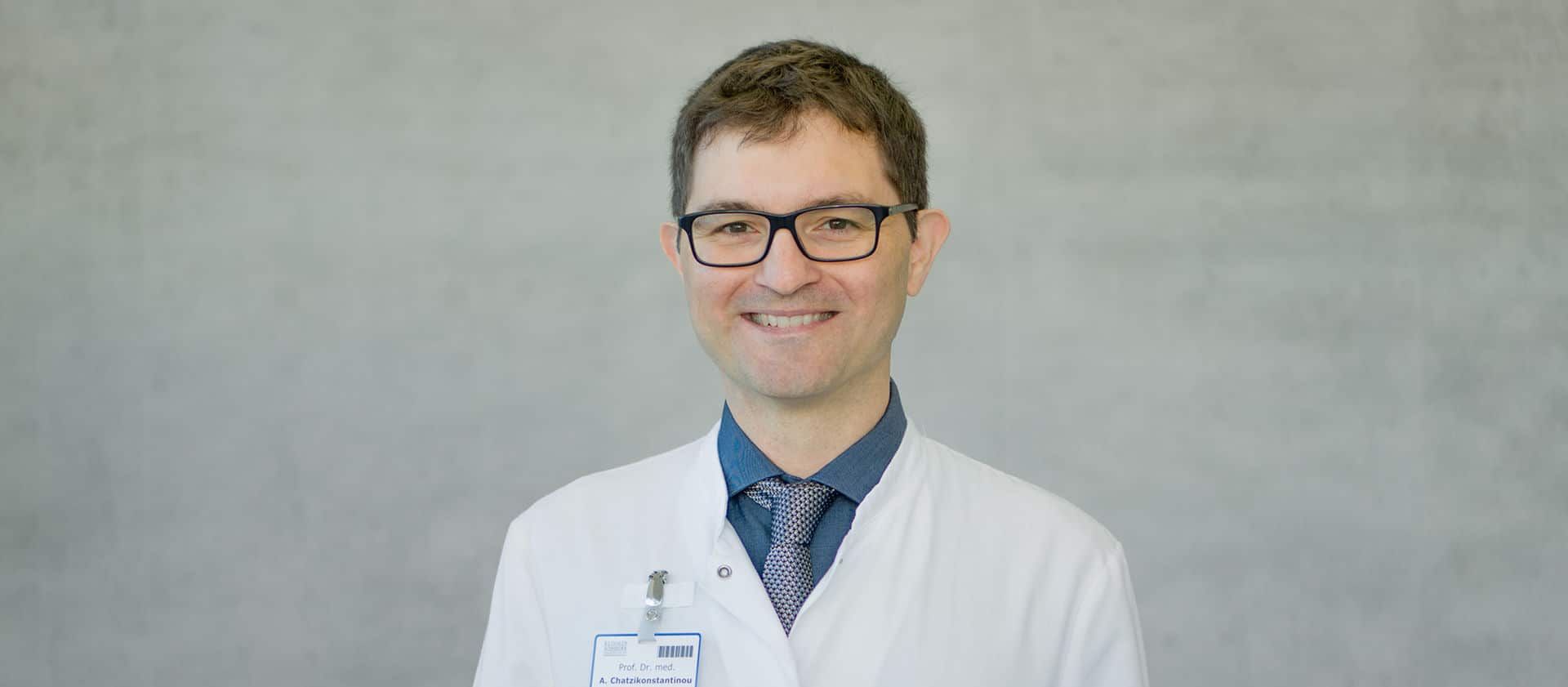
Medical Director of the Acute Neurology and Early Rehabilitation Department Kliniken Schmieder Allensbach
Interview with Prof. Dr. Anastasios Chatzikonstantinou on how epilepsy is diagnosed, treated, and monitored using advanced video EEG technology.
What is epilepsy?
Chatzikonstantinou: Epilepsy is a group of conditions that are generally associated with epileptic seizures, but can have different causes and characteristics. An epileptic seizure is a period during which various symptoms manifest as a result of the sudden onset of brain dysfunction. Brain cells fire electrical signals in a highly synchronised, pathological manner, leading to a loss of control over various bodily functions. The corresponding symptoms that then occur are called epileptic fits.
How can an epileptic seizure be recognised, and what is the best course of action for someone with epilepsy or their family members in such a situation?
Chatzikonstantinou: Epileptic seizures can look very different. Typical symptoms include impaired consciousness, convulsions or twitching of the limbs, and unusual movements. Since a seizure often develops very rapidly, few people have time to sit or lie down — for example, to avoid a fall — before they lose consciousness or other symptoms appear.
Family members should remain calm and try to protect the person affected from injury, staying with them until they have recovered and/or emergency services have arrived. The person should not be held down, and nothing should be placed in their mouth. It is also important to observe the duration and type of seizure. If the situation is unclear, emergency services should be called as a precaution. This is not necessary if the seizures are known and nothing unusual has occurred.
What harm or deterioration in health can result from an epileptic seizure?
Chatzikonstantinou: As a rule, a seizure ends after approximately one minute and causes no lasting harm to health. The greatest risk arises from a possible fall. Long-term brain damage may occur if seizures happen more frequently over a longer period of time — that is, over months or years. Another danger, fortunately quite rare, is what is known as “status epilepticus” — a seizure that lasts longer than five minutes and does not stop on its own. This is a medical emergency and must be treated with medication.
How is epilepsy treated, and what is special about the comprehensive epilepsy treatment at Kliniken Schmieder?
Chatzikonstantinou: Epilepsy is primarily treated with medication (anticonvulsant drugs). In approximately two-thirds of cases, this results in the complete cessation of seizures, and in the remaining patients, it often leads to a reduction in seizure frequency. For more complex cases, other therapy concepts exist — in particular, epilepsy surgery, which is not suitable for all patients. Comprehensive epilepsy treatment is a multimodal, interdisciplinary treatment concept. A team of doctors, nurses, therapists and social workers cares for patients according to their individual needs. This includes, among other things, medication adjustments, assessment and treatment of any deficits, and medical and social counselling for the patient. We believe we can make an important contribution to the treatment of patients with epilepsy, all the more so as this is the only such treatment in the Konstanz district.
What are the benefits of the new video EEG monitoring for patients?
Chatzikonstantinou: Video EEG monitoring is an examination carried out on an inpatient basis over several days. The patient wears electrodes on their head that continuously record brain activity. In addition, a video camera is installed in the patient’s room. In the event of an epileptic seizure or suspicious neuronal activity, the combination of EEG and video recording can be used to determine exactly what the seizure looks like and in which area of the brain it originates. This makes it possible to detect even seizures that patients themselves do not notice.
© 2026 Kliniken Schmieder


